The U.S. National Institute of Standards and Technology (NIST) finalized its first post-quantum cryptography standards in 2024, a milestone that underscores what a growing number of security researchers already know: the window to protect critical data is narrowing fast. At the center of their concern is a strategy known as "harvest now, decrypt later." Adversaries are already collecting encrypted data today, betting that quantum computers will soon hand them the keys to read it.
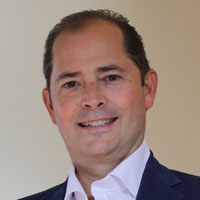
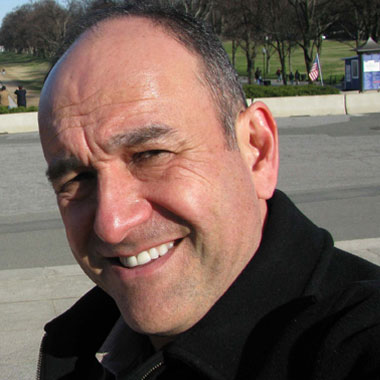
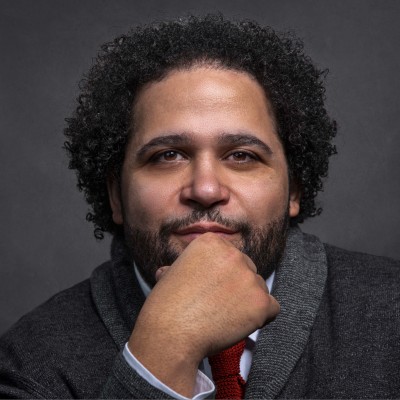
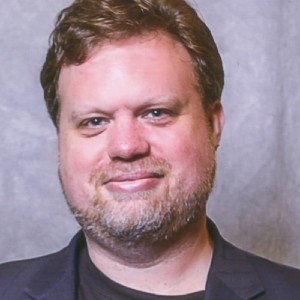
In this Tech Barometer podcast, Marco Graziano, Steve McDowell and Don Gentile say the timeline is not measured in decades. It is measured in years. And for organizations that have not yet begun the transition to quantum-resistant encryption, they should act now ahead of Q-Day, when quantum computing will have the capacity to quickly and easily break the encryption keys that keep most internet communication safe.

Computer scientist Graziano's path to this problem runs through the earliest days of personal computing. He cut his teeth at Olivetti, the Italian company whose 1965 Programma 101 is widely considered the world's first personal computer. He is among the cadre of Olivetti alumni who pioneered many of the startups and breakthroughs that grew Silicon Valley into the tech capital of the world. A few decades ago, he forged new capabilities in streaming media and home-networked security. A software guy with a whole-systems approach, Graziaon continues to tackle technology challenges that for many remain out of sight, too far in the future. That means not just the inner workings of AI but the emergence of quantum computing.
"The moment I realized that this was an issue is when I read about harvest today and decrypt tomorrow," Graziano said. "There is a risk today, if quantum computers are not available, for communication that we are exchanging today, because this communication can be collected, harvested, and become unprotected one day soon."

Don Gentile, an analyst at HyperFrame Research, put the adversary's calculus plainly.
"When you think about the bad actors, they have access to harvest now, decrypt later, which means they're collecting your data today and it can be broken with tomorrow's quantum computing decryption capabilities."
Why Speed Is the Whole Story
The math behind the threat is stark. Today's strongest encryption algorithms could take hundreds of years to crack on a conventional machine. On a quantum computer, the same problem may collapse in hours.

"I can take a key that would take however many hundreds of years on a GPU today and solve it in hours on a quantum computer," said Steve McDowell, an analyst at NAND Research.
That shift in computational power is the reason "harvest now, decrypt later" works as a strategy at all. The data doesn't need to be readable today. It just needs to be collected.
The Window: 2029 to 2035
Graziano isn’t vague about the timing or severity of the looming threat. The technology underpinning quantum computers is advancing rapidly, he said, with recent months marking a noticeable acceleration across the field. That will unleash quantum-capable decryption.
"It's going to be broken," Graziano said. "All this communication that we believe today being secure and protected is actually going to be broken sometime soon in the next few years. Maybe five, maybe ten. But it will happen."
McDowell offered a context check that enterprise technology leaders may find familiar.
"Five years from now, I look at quantum," he said. "That's where AI was in 2019. That's where we are with quantum."

Quantum computers, Graziano noted, will not replace conventional machines or find their way into every data center. They are expensive, highly specialized and built by only a handful of companies, with early commercial deployments emerging in oil and gas. But breaking cryptography is precisely the class of problem they are built for. And IT systems managers need to act now to protect data across various IT infrastructures.
“You need to manage legacy and new, and be able to switch between the two,” he said.
The Way Forward
The exposure runs deeper than most organizations have mapped. Graziano points to smart grid and utility devices commissioned in remote locations, often forgotten but carrying critical infrastructure data. Banking, financial institutions, insurance records and medical data are equally exposed. The common thread is that none of it needs to be attached to a high-profile breach to be at risk. It just needs to be in transit.
The good news, according to Graziano, is that post-quantum cryptography is not hypothetical. NIST and international partner organizations have already produced new software libraries, key exchange protocols and algorithm standards engineered to resist quantum-scale attacks. The encryption infrastructure, in effect, has been redesigned.

For organizations that move too slowly, Graziano describes a hard stop on the horizon.
"One day, organizations will decide to reject communication with endpoints that are not quantum resistant," he said, "because at some point the risk is going to be so high that you cannot take any chance."
Beyond the security imperative, McDowell sees the quantum era as more of a civilizational inflection.
"If I'm doing drug research, I'm doing seismic processing, oil and gas, anything that relates to the physical world is going to revolutionize," he said. "It's going to disrupt a lot of industries, and we're going to find use cases that we're not thinking of now."

Transcript:
Marco Graziano: All infrastructure today, inter-company communication and on the internet, is possible because you can protect this communication channel with encryption. It's all secure because of encryption.
Steve McDowell: I can take a key that would take, you know, however many hundreds of years on a GPU today and solve it in hours on a quantum computer.Marco Graziano: Overnight, communication becomes insecure.Don Gentile: When you think about the bad actors, they have access to harvest now, decrypt later, which means they're collecting your data today and it can be broken with tomorrow's quantum computing decryption capabilities.
Jason Lopez: Three technologists, Marco Graziano, Steve McDowell, and Don Gentile are saying pretty much the same thing. Encryption, as we know it, is facing an existential crisis. According to Marco Graziano, it's closer than most of us think. This is the Tech Barometer podcast. I'm Jason Lopez. Graziano's path started decades before anyone was talking about quantum computers. Early in his career, Graziano worked at Olivetti. It's the Italian company whose 1965 Programma 101 is widely considered the world's first personal computer. Its design would go on to influence Steve Jobs and the original Apple. Olivetti was the kind of place that launched many computer science careers, shaping Silicon Valley and beyond. Olivetti alumni like Graziano are still at it. From pioneering streaming media, home security and blockchain technologies, he now pushes the limits of AI with his whole system approach.

Marco Graziano: In the time of AI, specialization is over. Today you need to be a generalist, not a specialist, because your specialization will never be as good as AI. I remember in the 80s and 90s, in computer companies, there were people who dedicated their whole career to SCSI firmware, to BIOS, to Ethernet firmware. Their whole career, they wouldn't be able to do anything else outside that area of expertise. And that expertise was so deep that it was amazing. These jobs don't exist anymore. Today, my recommendation to a young generation of engineers is think systems, think outside the specialization. Become an inventor. Go back to the Renaissance. What pieces fit together? How do they fit together? What does working mean? What is the end goal?
Jason Lopez: This background on Marco's view of technology and innovation helps to understand his concern about quantum computing.
Marco Graziano: The moment I realized that this was an issue is when I read about Harvest today and Decrypt tomorrow, because that's not obvious. There is a risk today, if quantum computers are not available, for communication that we are exchanging today, because this communication can be collected, harvested, and become unprotected one day soon. So that realization made me move in working in this.
Jason Lopez: And some of what's being harvested right now isn't sitting in a well-guarded data center.
Marco Graziano: So we know that devices will hit Q day. We know that communication that's being collected today by bad actors will become visible to them sometime in the next few years. And devices carry critical information, some of them very critical infrastructure, for instance. Think about utility devices, smart grid, and so on. These are systems and devices that are commissioned somewhere in the middle of the desert sometimes or outside the cities, in a distribution station or so on, and forgotten, but yet they carry critical infrastructure information.
Jason Lopez: It's not just remote infrastructure. Graziano says the exposure runs through nearly every institution people already trust with their most sensitive information.
Marco Graziano: We can imagine banking and financial institutions, insurance, medical information, it's all at risk.
Jason Lopez: The reason it's all at risk comes down to speed. Today's conventional machines could take hundreds of years to break a key. But it may take minutes with a quantum computer. So that is the difference.

Marco Graziano: That is what we are looking at.
Jason Lopez: Graziano isn't vague about when that difference starts to matter.
Marco Graziano: It's going to be broken. So all this communication that we believe today being secure and protected is actually going to be broken sometime soon in the next few years. Maybe five, maybe ten. But it will happen. The technology behind quantum computers is progressing very rapidly and accelerating in the last few months. So now prediction is between 2029, 2030 all the way to 2035. But it's going to be in this time frame. Quantum computers will not be for the masses. They will be used to solve specific problems, which we don't have full grasp yet. But it's clear that it's not going to replace even special purpose computers anytime soon. But one of the things they're good at is in breaking cryptography.
Jason Lopez: Steve McDowell of NAND Research describes the technology in similar terms.
Steve McDowell: They're very expensive. They're very esoteric. There are only a handful of companies building them. But they're real. And we're starting to see some commercial adoption in the oil and gas industry first. We're already seeing that. But five years from now, I look at quantum. That's where AI was in 2019. That's where we are with quantum.Marco Graziano: They are capable of performing millions of computations at once, in an instant. And today computers, you know, they do well, but not that well.
Jason Lopez: Though the risk level is high, Graziano says it can be addressed.
Marco Graziano: The good news is that the technology and the software to protect it, encrypt the channels in presence of quantum computers, is available. NIST and other world organizations have put together a consortium and came out with software libraries and standards, a different level of encryption infrastructure from protocols to algorithms to keys, key exchange protocols. The whole encryption infrastructure has been, in a way, redesigned.

Jason Lopez: But installing those fixes isn't as simple as pushing an update.
Marco Graziano: The transition is not going to be painless, because you're touching the core of your systems. You're touching a very important component, which you cannot break, but it can break. And you need to manage legacy and new, and be able to switch between the two.
Jason Lopez: And Graziano says patience for a slow transition won't last forever.
Marco Graziano: One day, organizations will decide to reject communication with endpoints that are not quantum resistant, because at some point the risk is going to be so high that you cannot take any chance.
Jason Lopez: Mitigating that risk opens up an innovation path we can barely predict.
Steve McDowell: If I'm doing drug research, I'm doing seismic processing, oil and gas, anything that relates to the physical world is going to revolutionize, you know, weather and climate modeling, just because of the nature of how it operates. It's going to disrupt a lot of industries, and we're going to find use cases that we're not thinking of now, right? Those are the low-hanging fruit.
Jason Lopez: The voices you heard in this podcast were of Marco Graziano, a Silicon Valley-based computer scientist, Steve McDowell, analyst at NAND Research, and Don Gentile at HyperFrame Research. This is the Tech Barometer podcast, I'm Jason Lopez. Tech Barometer is produced by The Forecast. For more insights into technology and the people in the tech industry, you can find more stories at theforecastbynutanix.com.

Jason Lopez is executive producer of Tech Barometer, the podcast outlet for The Forecast. He’s the founder of Connected Social Media. Previously, he was executive producer at PodTech and a reporter at NPR.
Ken Kaplan contributed to this story. He is Editor in Chief for The Forecast by Nutanix. Find him on X @kenekaplan and LinkedIn.
© 2026 Nutanix, Inc. All rights reserved. For additional information and important legal disclaimers, please go here.
Related Articles